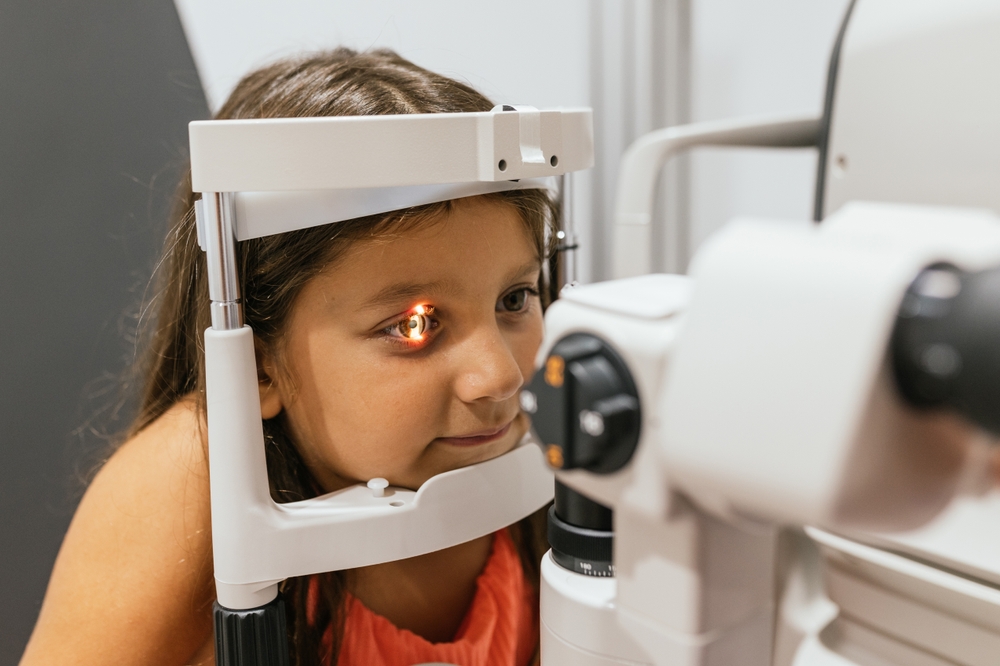
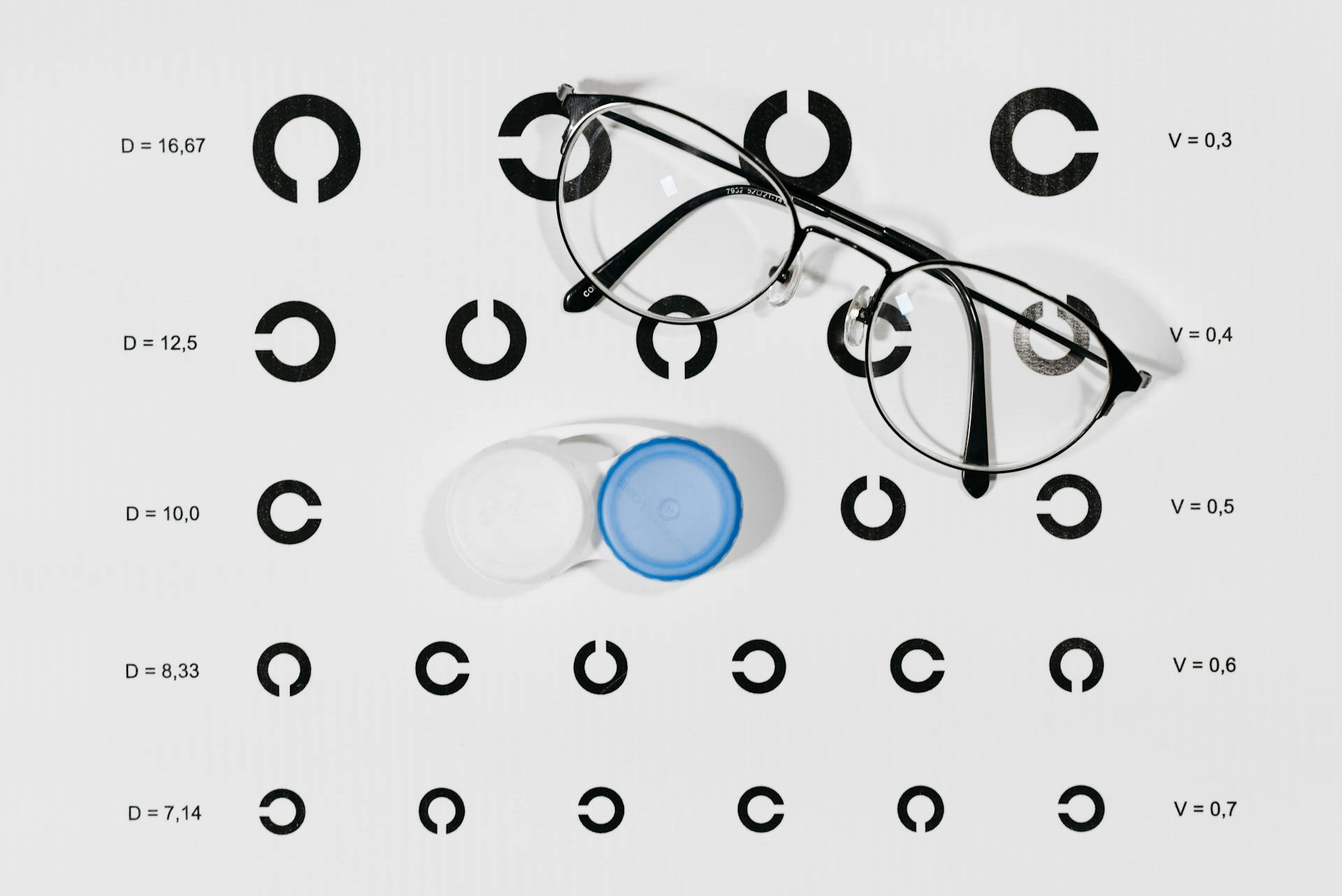
Spring often brings a welcome change in Maine. Longer days, open windows, and warmer weather help us shake off winter’s routines. It also tends to bring dust, pollen, and allergens that irritate the eyes and make contact lenses or glasses feel less comfortable. This season is an ideal time to give your eye care habits a gentle refresh. A few small adjustments can improve clarity, reduce irritation, and help protect your vision as outdoor activity increases.
Whether you wear contacts daily, reach for glasses as needed, or struggle with seasonal allergies, thoughtful lens care and cleaning habits make a noticeable difference. Many patients don’t realize how much buildup, residue, or airborne allergens affect their comfort until they adopt a more consistent routine. Clean lenses, whether on your eyes or your face, support crisp vision and help prevent common issues like dryness, itching, or redness.
Below, we outline straightforward steps to help you feel your best this spring, along with guidance on when to check in with your optometrist for personalized care.
Why Spring Can Be Tough on Your Eyes
Spring introduces environmental triggers that weren’t as active during winter. When pollen counts rise, airborne particles can cling to contact lenses or settle on eyeglass frames and lenses. This exposure may lead to watering, burning, or a gritty sensation. Indoor spring cleaning can also stir up dust that migrates toward your eyes and into your lenses.
Common contributors to seasonal eye irritation include:
• An increase in tree and grass pollen
• Dust disturbed during cleaning
• Dry indoor air from leftover heating cycles
• More time outdoors as the weather improves
When these factors combine, even small lapses in lens hygiene become more noticeable. That’s why improving your cleaning and care habits during this time of year can help reduce discomfort and protect your vision.
Refreshing Your Contact Lens Hygiene Routine
Good contact lens hygiene supports comfort year-round, yet spring is a practical moment to reset habits. Daily cleaning steps help remove tiny particles that otherwise cause irritation. Patients often find that consistent lens care improves their ability to wear contacts comfortably throughout the day.
Here are a few reminders that matter most during allergy season:
• Wash your hands thoroughly before inserting or removing lenses.
• Use fresh solution every time you store your lenses.
• Replace your storage case every three months.
• Follow the exact replacement schedule recommended for your lens type.
These small habits help lower the risk of buildup, dryness, or infection and can make seasonal irritants far easier to manage.
Keeping Your Glasses Clean This Season
Even the best pair of glasses struggles to deliver crisp vision when smudges, dust, or pollen cling to the lenses. Spring often exposes these issues more than usual, especially on windy days or during outdoor activities. A simple cleaning routine keeps your lenses clear and helps protect the coating from premature wear.
Reliable practices include:
• Rinse lenses under lukewarm water before wiping to prevent scratching from trapped debris.
• Use a gentle lens cleaner or mild dish soap rather than household cleaners.
• Dry with a soft, microfiber cloth instead of paper towels.
• Clean the nose pads and hinges, which collect oils and allergens throughout the day.
Clear lenses reduce eye strain, improve contrast, and make driving and close-up work more comfortable.
Reducing Allergens Around Your Eyes
Seasonal eye allergies can sneak up quickly. Even those who don’t normally struggle with allergies may feel symptoms once pollen levels rise. Small steps at home can reduce daily exposure and support eye comfort.
Helpful strategies include:
• Keeping windows closed during high pollen days.
• Washing pillowcases more often during the season.
• Using preservative-free artificial tears to flush allergens from the surface of the eye.
• Wearing sunglasses outdoors to shield your eyes from pollen and wind.
• Showering or washing your face after extended time outside.
If symptoms persist despite these efforts, a tailored plan with your optometrist can help. Some patients benefit from prescription drops or dry eye treatments that provide steadier relief.
When to Reach Out for Help
Persistent irritation, frequent dryness, or a noticeable decline in comfort usually signals the need for a check-in. Contact lens wearers may need a different material or replacement schedule during allergy season. Eyeglass wearers may benefit from updated coatings or frames that feel lighter and sit more securely throughout the day.
Your optometrist can help determine whether allergies, dryness, or another factor is affecting your comfort. A short visit often brings clarity and sets up a practical plan for the rest of the season.
Spring Eye Care at Maine Optometry
Spring is a refreshing time in Maine, and caring for your eyes should feel just as straightforward. Clean lenses, mindful hygiene habits, and attention to seasonal allergens all support clear, comfortable vision as you get outdoors again.
If you’re due for an eye exam, need guidance on contact lenses, or want help choosing eyewear this season, our team at Maine Optometry is here to assist.