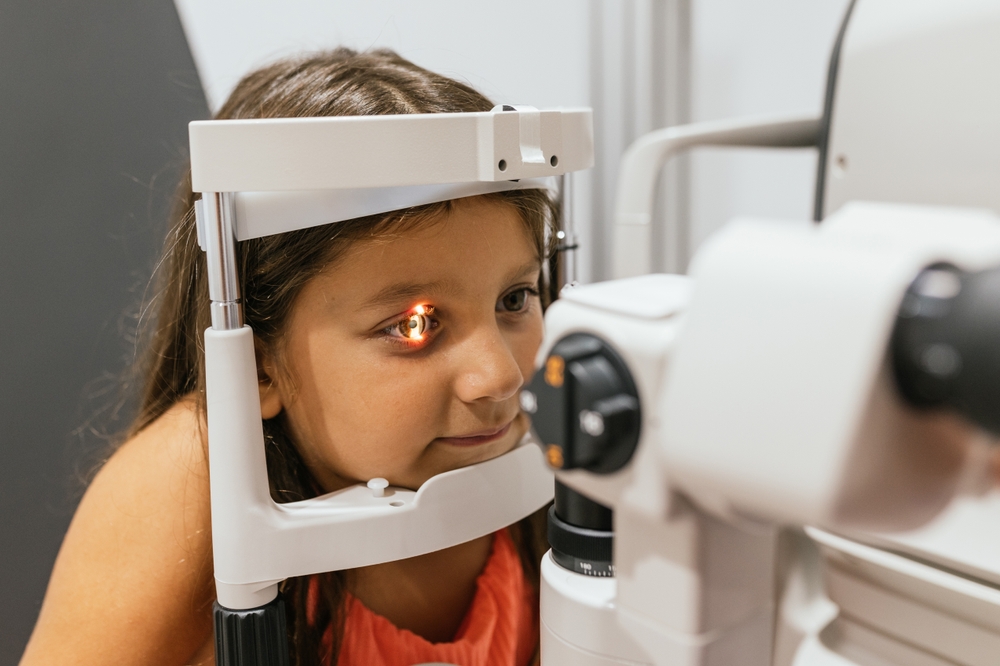
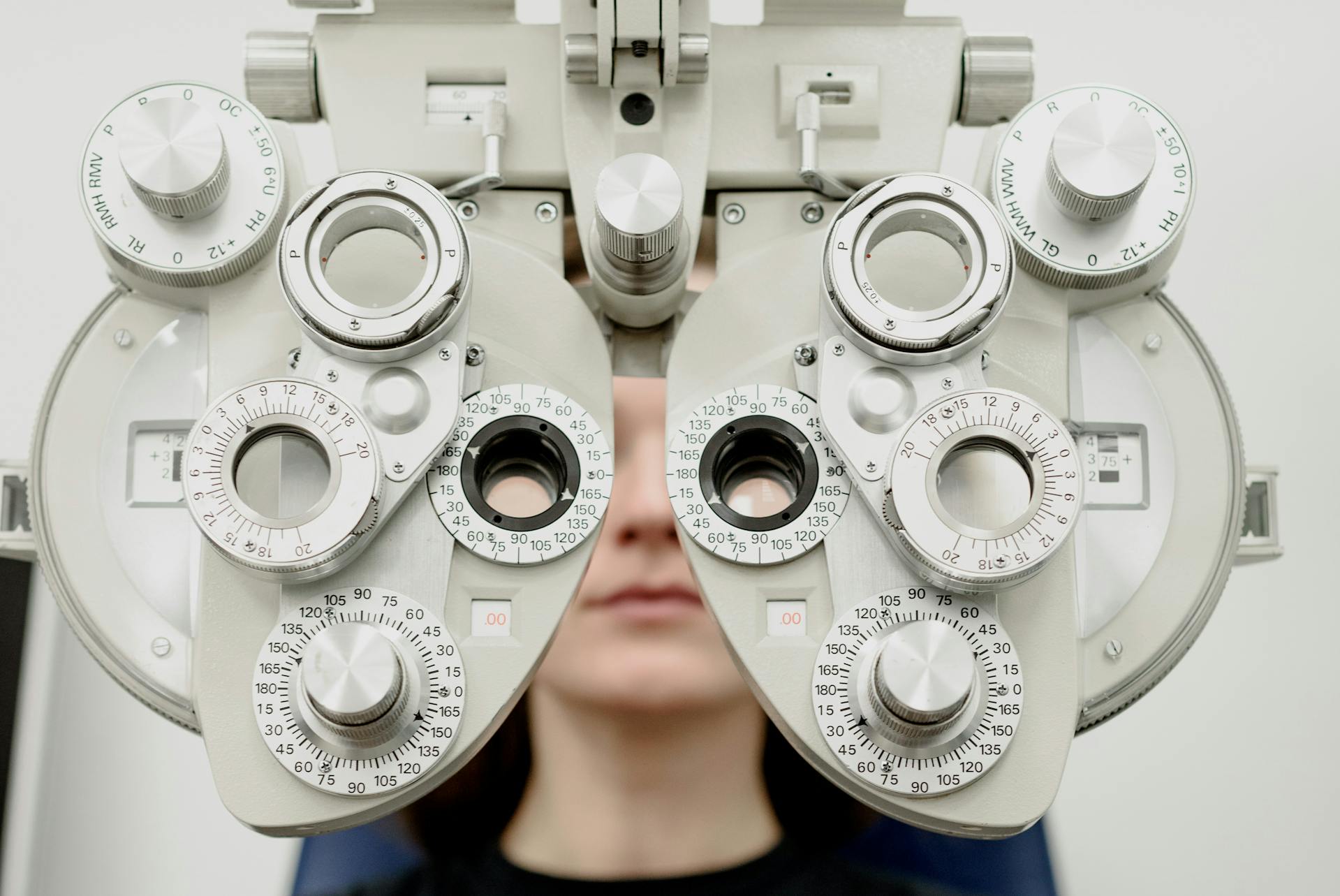
When changes happen slowly, it can be easy to miss them in daily life. That’s why a yearly exam becomes such an important part of caring for your eyes. Maine Optometry uses detailed imaging and diagnostic tools that help your optometrist assess structures you can’t see in the mirror, such as the retina, optic nerve and macula. These images and measurements create a baseline for your long-term care and help track subtle variations over time.
How Annual Exams Detect Glaucoma
Glaucoma develops quietly. Most forms progress without pain, and central vision may stay clear until the disease advances. During your exam, your optometrist measures eye pressure through tonometry and examines the optic nerve for structural changes. Many cases are caught through small shifts in appearance rather than major symptoms. Early detection allows for timely treatment that helps protect sight, which is why yearly exams matter even when your vision feels stable.
How Annual Exams Detect Macular Degeneration
Macular degeneration affects the part of your retina responsible for detailed central vision. Early changes may include slight distortion in straight lines or difficulty seeing in low light. These signs are not always obvious at home.Maine Optometry uses OCT imaging to capture detailed cross-sectional views of the retina. OCT scans help identify fluid, thinning and other early indicators before noticeable vision changes occur. When detected early, patients can monitor their macular health and discuss appropriate next steps with their optometrist.
Why Technology Matters in Preventive Eye Care
Tools such as Optos wide-field retinal imaging and OCT give your optometrist a deeper look at the eye’s internal structures. This technology can reveal small areas of concern that would be easy to overlook without high-resolution imaging. These details help guide treatment plans, offer reassurance when exams are stable and allow the team to keep close watch on changes from year to year.
Detecting Other Common Eye Conditions
While glaucoma and macular degeneration draw the most attention, they aren’t the only concerns that benefit from early detection. Annual exams help identify diabetic eye disease, cataracts, dry eye and changes in the retina that may signal underlying health issues. Many of these conditions progress gradually. Patients often adjust to slight shifts in clarity or comfort without realizing that their eyes are working harder than they should.
Diabetic eye disease, for example, can develop even when blood sugar is well controlled. Subtle bleeding or swelling in the retina can appear before vision changes occur. Regular exams that include dilated evaluation or retinal imaging help your optometrist track these changes and communicate with your primary care provider when needed. Cataracts may present as glare, reduced contrast or difficulty with night driving, but the earliest changes usually show up during your exam long before daily tasks become affected.
Dry eye is another common issue that your optometrist evaluates during your annual visit. The surface of the eye needs a stable tear film for clear vision and comfortable blinking. If the tear film breaks down too quickly or glands aren’t functioning well, irritation, fluctuating vision and light sensitivity can follow. Exam findings guide a plan that may include lubricating drops, in-office treatments or adjustments to daily habits.
The Value of Long-Term Monitoring
The more consistently you have annual exams, the clearer your long-term picture becomes. Small variations that might seem insignificant in a single visit gain context when compared to previous years. A slight pressure change, a small shift in retinal thickness or a minor difference in optic nerve appearance becomes meaningful when viewed over time. This ongoing record helps the team at Maine Optometry create thoughtful, individualized care for each patient.
Age, family history, medical conditions and lifestyle all influence your risk for eye disease. Your optometrist considers these factors when recommending follow-up visits, additional testing or preventive strategies. Patients who return each year benefit from a partnership built on familiarity with their unique visual needs and health history.
Your Eye Exam Supports Overall Wellness
Your eyes offer a window into broader health. During an exam, your optometrist may detect concerns related to blood pressure, cholesterol and other systemic conditions. Retinal blood vessels can signal changes that relate to cardiovascular health, and narrowing or swelling may appear before other symptoms develop. These findings often lead to helpful conversations with your primary care provider and give patients a stronger foundation for long-term wellness.
Take the Next Step Toward Protecting Your Vision
Clear vision plays an important role in staying active, safe and confident in daily life. Annual eye exams offer an accessible, reliable way to protect your sight by identifying conditions early and giving you the information you need to make thoughtful decisions about your care. The team at Maine Optometry provides detailed evaluations, advanced technology and guidance to help you stay ahead of vision changes.