Contact lenses feel simple to use, but the daily routine behind safe, comfortable wear matters a great deal. Small habits build up over time, and certain shortcuts can raise the risk of irritation, infection, and long-term complications. Many patients are surprised to learn that the most common contact lens problems start with routine oversights: falling asleep with lenses in, stretching wear time, skipping proper cleaning steps, or delaying follow-up exams.
Healthy contact lens use comes down to consistency. When lenses sit directly on the eye, any buildup, debris, or shortage of oxygen can quickly affect the cornea. The good news is that the most frequent mistakes have clear solutions, and making a few simple changes helps protect your vision and keeps lenses comfortable throughout the day.
This guide walks through the habits eye care providers wish every contact lens wearer followed, along with easy ways to correct them.
Sleeping in Contact Lenses
Sleeping in contacts is one of the most common issues eye doctors see. Even short naps reduce the amount of oxygen reaching the cornea. This raises the chances of discomfort and increases the risk of developing an infection. Many patients assume closing their eyes for an hour or two is harmless, but even that short window creates the right conditions for bacteria to grow.
How to avoid it:
• Remove lenses before resting, even if you feel tired.
• Keep a backup pair of glasses nearby, so taking lenses out never feels like a hassle.
• If you frequently fall asleep in lenses, consider daily disposable options and ask your optometrist during your next contact lens exam.
Overwearing Lenses Beyond Their Intended Schedule
Another common problem occurs when patients extend the life of their lenses. Monthly lenses used for six weeks or dailies worn “just one extra day” may seem harmless, but every lens has a specific lifespan based on how long it can remain clean, moist, and structurally intact. When worn longer than recommended, lenses break down and collect deposits that cause irritation or dryness.
How to avoid it:
• Follow the replacement schedule your optometrist gives you.
• Mark calendar reminders for monthly lenses.
• Keep an extra box of dailies on hand to prevent stretching wear times.
Storing Lenses in Water or Topping Off Solution
Water seems clean, but it carries microorganisms that should never come in contact with contact lenses. Storing lenses in water, rinsing them with tap water, or topping off old solution weakens disinfection and raises the risk of infection.
How to avoid it:
• Always use fresh contact lens solution.
• Fully empty and air-dry the case between uses.
• Replace the storage case every three months.
Skipping Handwashing Before Handling Lenses
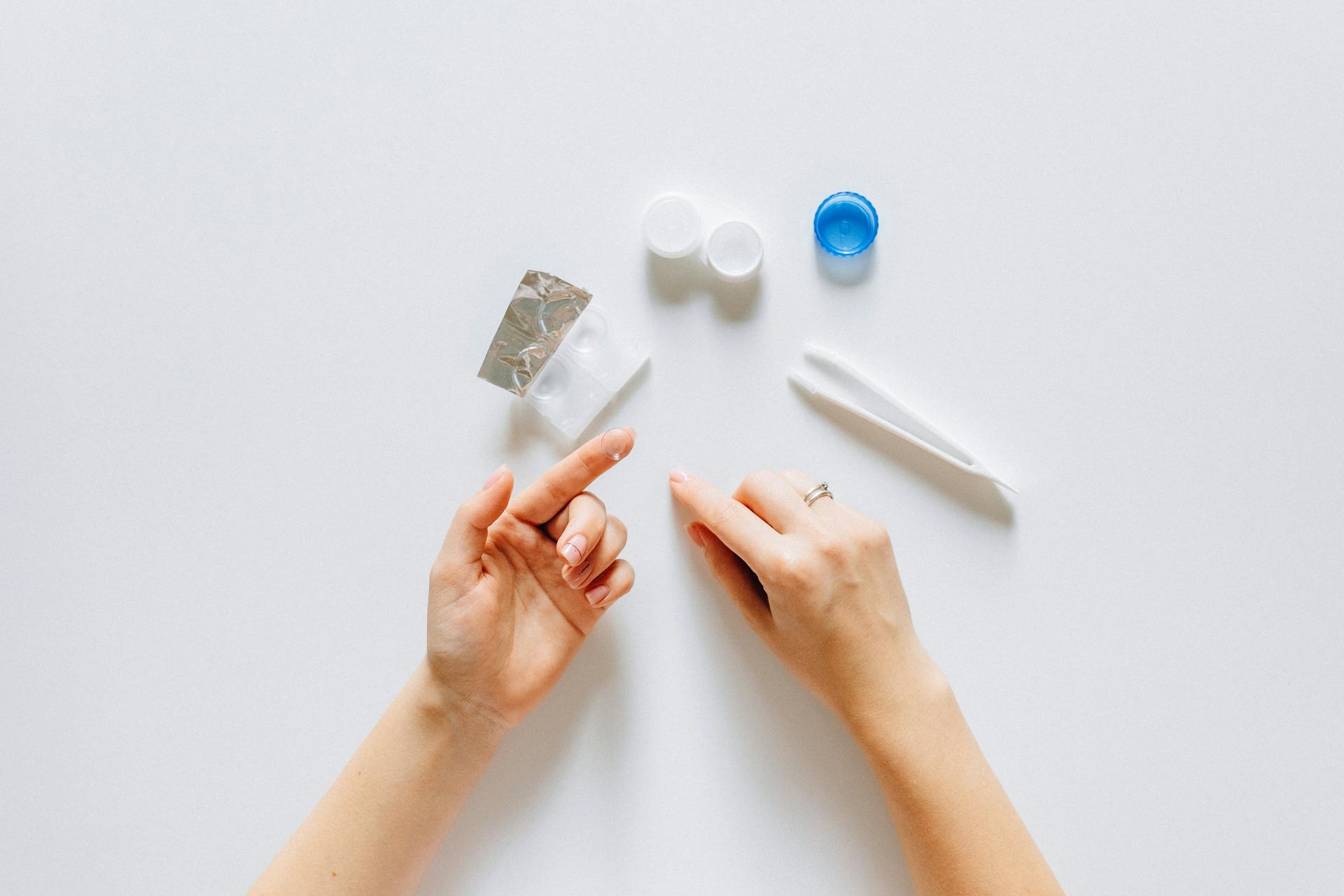
Clean hands create the foundation for safe contact lens use. Any residue on your fingers — lotion, soap, dust, makeup, or natural oils — transfers directly to the lens surface. This can cause irritation and compromise the clarity of the lens. In some cases, it allows bacteria to enter the eye, which increases the chances of developing an infection.
How to avoid it:
• Wash and dry your hands before touching your lenses.
• Avoid moisturizing soaps immediately before insertion or removal.
• Keep travel-sized soap available when you’re away from home.
Wearing Contacts When Water Exposure Is Likely
Hot tubs, swimming pools, lakes, and showers all expose lenses to waterborne bacteria. When a lens absorbs water, it can change shape or cling to the cornea, which makes it easier for harmful organisms to enter the eye. Many patients assume chlorinated water removes this risk, but chlorine doesn’t eliminate the microorganisms that cause serious infections.
How to avoid it:
• Remove contact lenses before swimming or showering.
• Use prescription swim goggles if you need vision correction in the water.
• If water exposure occurs accidentally, remove the lenses and disinfect them with fresh solution.
Ignoring Early Signs of Discomfort
Eyes often signal when something isn’t right. Redness, dryness, itching, and blurred vision can stem from several causes, including ill-fitting lenses, allergies, or a buildup of deposits. Continuing to wear contacts despite these symptoms increases the risk of corneal injury or inflammation.
How to avoid it:
• Stop wearing your lenses when symptoms appear.
• Switch to glasses until your optometrist evaluates your eyes.
• If discomfort becomes common, ask whether a specialty design — such as scleral, RGP, toric, or multifocal lenses — from our specialty contact lens options could help.
Delaying Contact Lens Exams
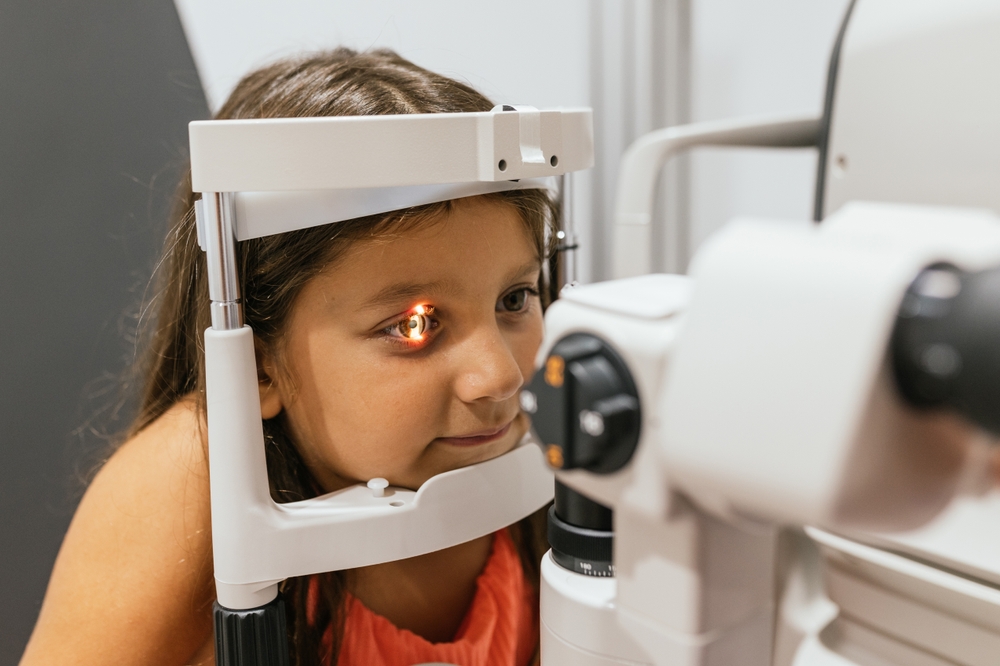
Routine exams allow your optometrist to monitor how well your eyes handle lens wear. Vision changes, corneal health, tear film quality, and lens fit all shift over time. Even long-time wearers benefit from small adjustments meant to improve comfort and eye health.
These visits also identify when a patient may benefit from specialty contact lenses, including scleral lenses for dry eye, RGP designs, toric lenses for astigmatism, and multifocal options for clear vision at multiple distances. You can explore these choices through our specialty lens services.
How to avoid it:
• Prioritize regular contact lens exams each year.
• Share any changes in your habits or comfort levels.
• Ask if alternative lens designs could improve your experience.
Healthy Lens Habits Lead to Comfortable, Reliable Vision
Most contact lens wearers develop comfortable routines once they understand the habits that matter most. Safe handling, proper cleaning, and consistent replacement schedules support long-term eye health and help reduce complications. If your lenses feel uncomfortable or harder to manage than expected, your optometrist can guide you toward solutions that match your eyes, lifestyle, and vision needs. Our team is here to help you find lenses that keep your eyes healthy and your vision clear.