Parents often notice the first signs of myopia during school years. Kids start squinting at distant objects, sitting closer to screens, or struggling to see the board at school. These changes can make daily routines harder, and they typically continue over time if left untreated. Myopia management gives families practical tools to slow those shifts, and Stellest lenses have become one of the most promising options for children with progressive myopia.
Stellest lenses look like regular glasses, but they were designed specifically for kids who experience steady changes in their distance vision. The aim is simple: help slow myopia progression during the years when a child’s eyes grow the fastest. Families appreciate this approach because it supports long-term eye health while still giving children clear, comfortable vision throughout the day.
How Stellest Lenses Work
A child’s prescription tends to increase when the eye grows too long. Stellest lenses address this issue by using a design that helps guide how light focuses in the eye. This creates a more stable visual environment that supports healthy eye growth and reduces the speed of prescription changes. It’s a gentle, consistent way to manage myopia without disrupting a child’s routine.
Kids can wear Stellest lenses just like their usual glasses. They’re durable, comfortable, and easy for active children to adapt to. Many families find them appealing because there’s no insertion technique to learn, no nighttime routine to adjust, and no need for a lens care system.
Why Myopia Management Matters Early
Even though myopia is common, the long-term risks are often overlooked. Higher levels of myopia increase the chance of developing eye conditions later in life. That’s why early intervention plays such an important role. When a child begins myopia management at a young age, there’s a greater chance of slowing the changes that would otherwise accumulate throughout their school years.
Comparing Stellest Lenses With Other Myopia Control Options
Parents often ask how Stellest lenses differ from other myopia control methods like MiSight contacts or orthokeratology. Each option works toward the same goal of slowing myopia progression, yet they suit different children based on age, activity level, and comfort with various lens styles.
MiSight lenses are daily disposable contacts, which many older children handle well once they learn how to insert and remove them. Orthokeratology uses specialty lenses worn overnight to gently reshape the cornea and provide clear daytime vision without glasses. Stellest lenses offer a simpler, glasses-based alternative for families who prefer something low-maintenance and easy to incorporate into a child’s busy schedule.
A key advantage of Stellest lenses is that they fit naturally into routines for kids who already wear glasses. There’s no learning curve or adaptation to nighttime lens wear. This makes Stellest a reliable choice for many children who may not yet be ready for contact lenses or who simply prefer the convenience of glasses.
What to Expect During a Myopia Management Visit
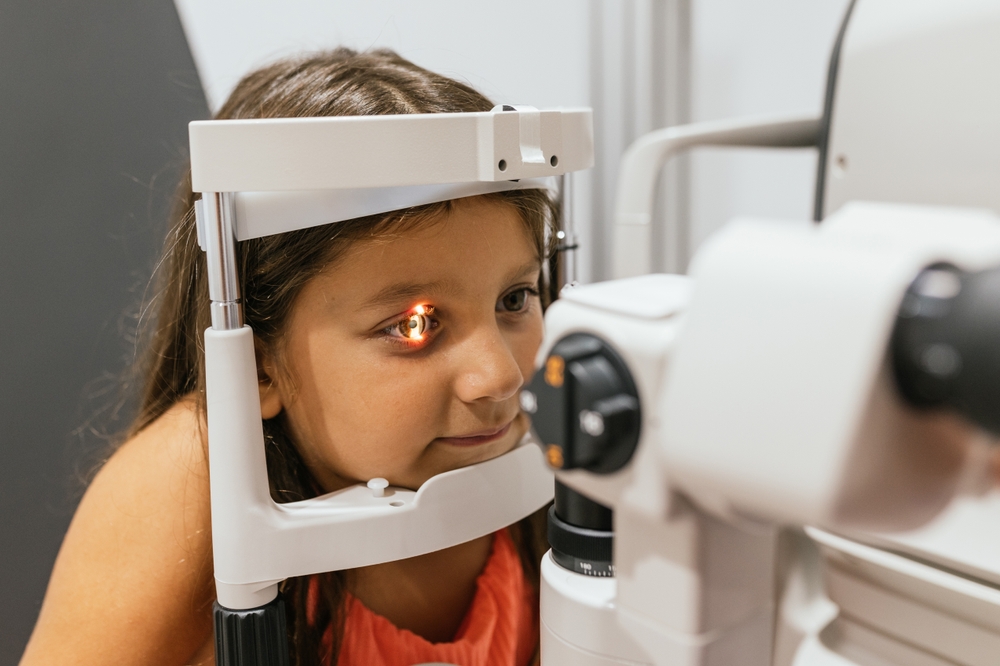
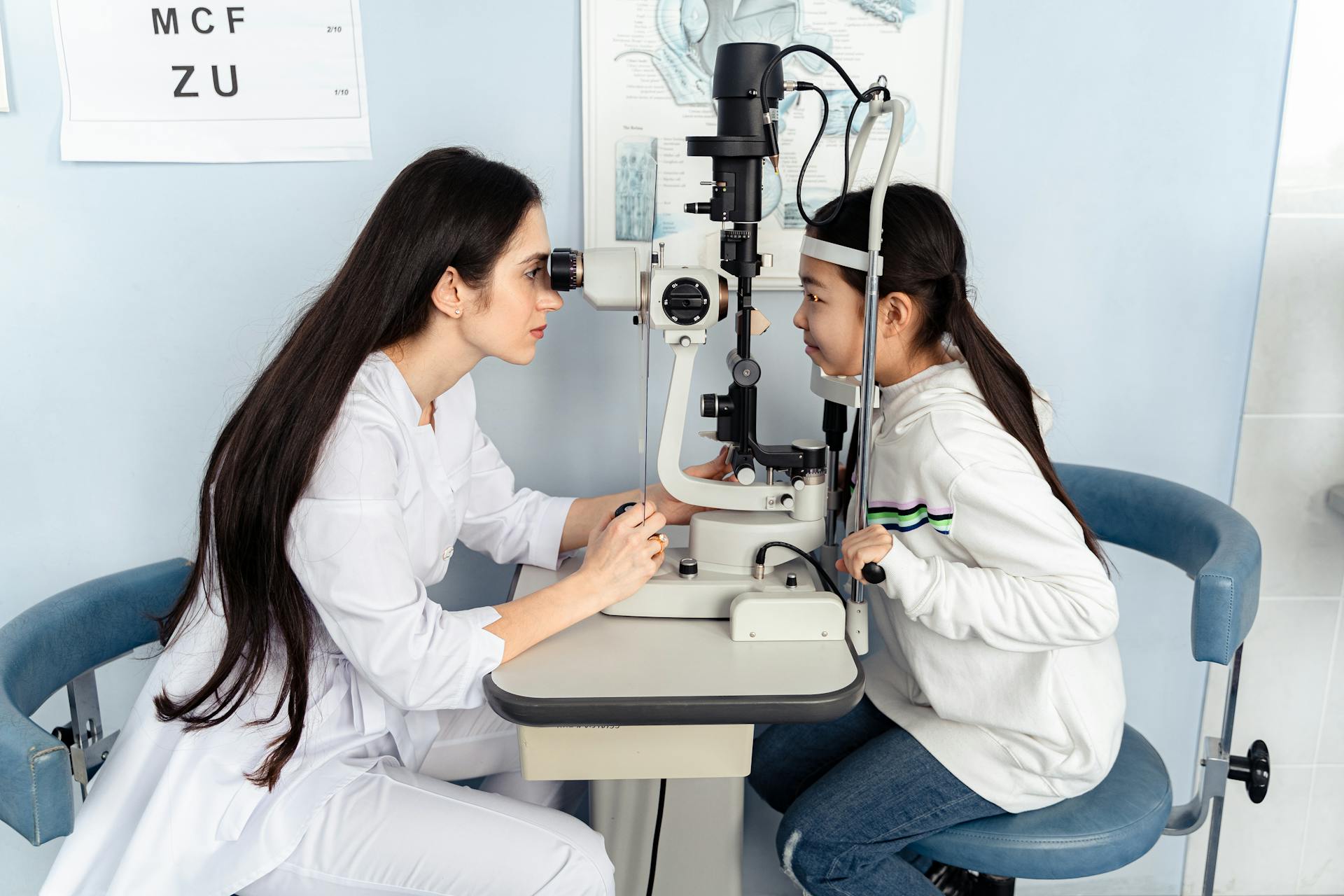
A myopia management evaluation gives parents a clear picture of their child’s current prescription, eye health, and projected changes. During this visit, your optometrist at Maine Optometry will check prescription trends, measure eye growth, and discuss which options best match your child’s needs. If Stellest lenses are recommended, the process feels very similar to selecting regular glasses. Families choose a frame, complete the fitting, and return for follow-up visits to monitor progress over time.
Most children adapt quickly to Stellest lenses. Parents often report that their kids wear them comfortably during school, sports, and screen time without any change in day-to-day habits. Follow-up visits help ensure the lenses are working as intended and provide reassurance that the treatment plan is on the right track.
Supporting Your Child’s Long-Term Eye Health
Myopia management is one of the most meaningful investments a parent can make in a child’s vision. Slowing myopia progression during key developmental years protects future eye health and creates more stable vision as they grow. Stellest lenses help families take control of a condition that often feels unpredictable, giving kids clearer days today and healthier eyes tomorrow.
If you’re ready to learn whether Stellest lenses are the right choice for your child, the team at Maine Optometry is here to help. Reach out today to request an appointment and get trusted guidance for your child’s long-term vision.