Help your child feel ready for their first eye exam with simple preparation tips, a look at what to expect, and answers to common questions parents ask.
“Will it hurt?” “Do I have to read all the letters?” “What if I don’t know the answer?”
Kids can have plenty of questions before their first eye exam, and parents often have a few of their own. The good news is that your child doesn’t need to study for an eye exam or have all the right answers. The visit gives your Maine optometrist a chance to learn how your child sees and check the health and development of their eyes.
A little preparation can make the experience feel more familiar. Knowing what to tell your child, what to bring, and what may happen during the appointment can help your family feel more comfortable walking into Maine Optometry.
3 Tips to Prepare for a Pediatric Eye Exam
1. Talk About the Eye Exam in Simple Terms
Tell your child what an eye doctor does in language that fits their age.
You might say, “The eye doctor is going to see how your eyes are working and how well you can see.” For a younger child, you can explain that they may look at pictures, follow lights, or play a few “eye games.”
Try to avoid telling your child that they need to “pass” the eye test. There are no right or wrong vision problems. The goal is to find out what their eyes need.
2. Choose a Comfortable Time for The Exam
Think about when your child is most alert and cooperative. If possible, avoid a time when they’re usually hungry, tired, or ready for a nap. A well-rested child may have an easier time listening to directions and trying unfamiliar activities.
Parents know their children best. If your child usually does better earlier in the day, that may be a good time to schedule the pediatric eye exam.
3. Bring Something Familiar From Home
A favorite stuffed animal, small toy, or other comfort item can make a new setting feel less unfamiliar, especially for younger children.
You can even let your child’s stuffed animal “come for an eye exam,” too. Small touches like this can help make the visit more interesting rather than intimidating.
What Happens During a Child’s Eye Exam?
One of the biggest questions parents have is simply, “What are they going to do?”
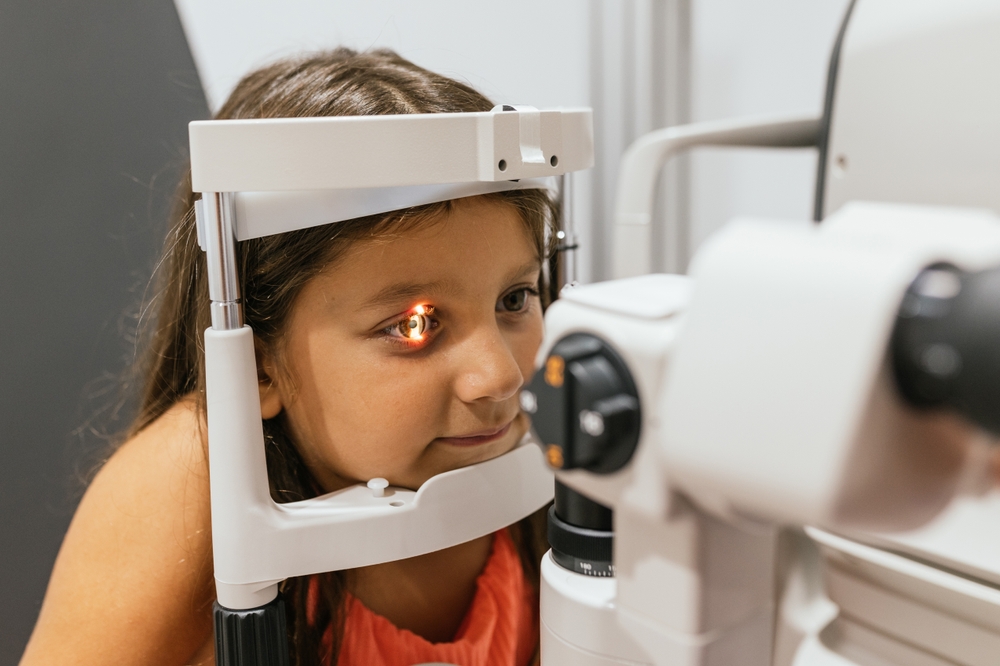
At Maine Optometry, pediatric eye exams are designed with children’s developing eyes in mind. The exam can help the eye doctor check your child’s vision, update a prescription, and identify eye conditions common in childhood. The exact tests can change based on your child’s age and needs.
Does My Child Need to Know Letters for an Eye Exam?
No. A child doesn’t need to know the alphabet before an optometrist can check their vision. For younger children, eye doctors can use pictures, shapes, lights, and other age-appropriate methods instead of relying only on a traditional letter chart.
Tell your child they can simply do their best. If they aren’t sure what they see, it’s okay to say so.
What Will the Eye Doctor Check During the Exam?
Depending on your child’s age and needs, the eye examination may look at areas such as:
- How clearly each eye sees.
- How the eyes move and work together.
- How well the eyes focus.
- Eye alignment.
- Your child’s prescription for glasses, if needed.
- The health and development of the eyes.
- Signs of common childhood vision concerns.
If your child already wears glasses, their optometrist can also check whether the current prescription still meets their needs.
Will My Child’s Eyes Be Dilated?
Maybe. Not every child will need the same testing at every visit.
Eye drops that dilate the pupils can help an eye doctor get a closer look inside the eyes and may also help with parts of a child’s vision assessment. Whether dilation is recommended can depend on your child’s age, symptoms, eye health, and the information the eye doctor needs.
If you or your child are concerned about eye drops or dilation, ask about it before or during the appointment. Knowing what may happen can help you explain the process to your child calmly.
What Should I Bring to My Child’s Eye Exam?
A little preparation at home can help you give your child’s optometrist a fuller picture of their vision and health. Consider bringing:
- Your child’s current glasses, if they wear them.
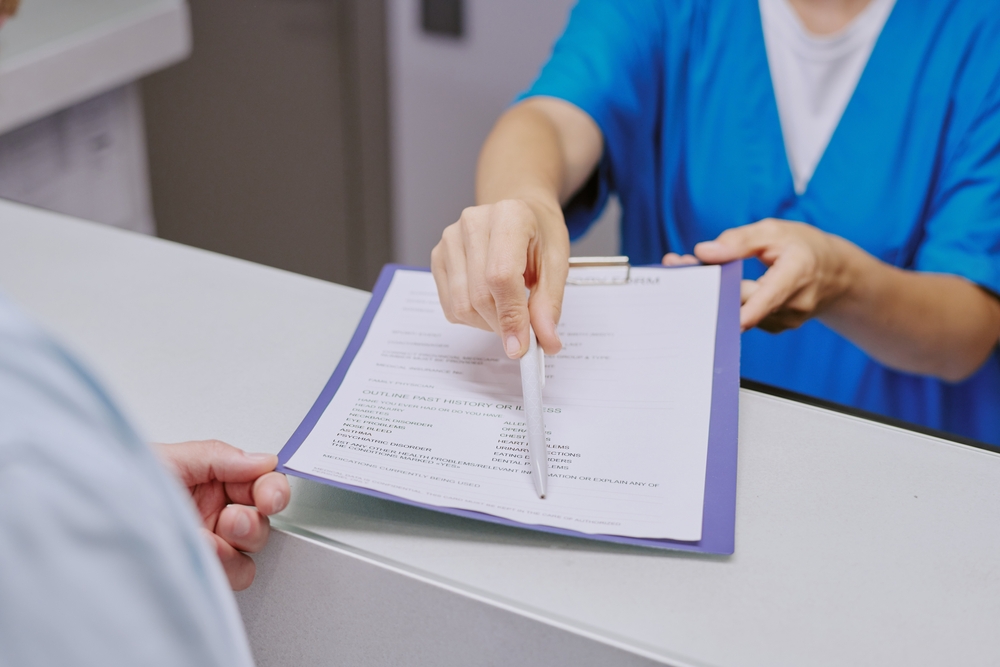
- Insurance information.
- A list of medications.
- Information about past eye injuries or eye conditions.
- Relevant medical history.
- Family history of eye conditions.
- Notes about vision changes you have noticed.
- Concerns mentioned by a teacher or caregiver.
- A favorite comfort item for a younger child.
- Questions you want to ask the optometrist.
You don’t need to arrive with a medical file several inches thick. Bring the information that seems relevant, and tell the eye doctor about anything you’ve noticed at home, at school, or during sports and play.
For example, mention it if your child often squints at distant objects, sits unusually close to screens, tilts their head to see, complains about blurry vision, or seems to struggle with visual tasks.
What If My Child Is Nervous for the Eye Exam?
Nerves before a first eye exam are normal. New rooms, new people, and unfamiliar equipment can feel like a lot to a child. How you talk about the appointment can make a difference.
1. Keep Your Explanation Calm
Try to use neutral or positive words when describing the appointment. You don’t need to convince your child that every part will be fun. Instead, let them know that the optometrist will explain what they need to do and that they can ask questions.
Avoid introducing worries your child hasn’t expressed. A long explanation about why they shouldn’t be scared may accidentally give them new things to worry about.
2. Give Your Child Some Control
Small choices can help children feel involved. Let them choose which comfort toy to bring or which parent sits beside them when possible. You can also encourage them to ask the eye doctor questions.
If your child needs glasses, choosing frames can become another chance for them to take part in their own eye care.
3. Tell the Eye Care Team What Helps
Every child handles new experiences differently. If your child is especially shy, anxious, sensitive to lights or sounds, or has trouble with unfamiliar routines, tell the team. Sharing that information can help the eye care team understand your child and approach the visit with their comfort in mind.
Do School Vision Screenings Replace Eye Exams?
A school or pediatrician vision screening can provide useful information, but it serves a different purpose from a comprehensive eye exam.
A screening is designed to flag children who may need a closer look. A full pediatric eye exam gives an optometrist more ways to assess vision and eye health.
Children’s Eye Exams at Maine Optometry
Maine Optometry provides pediatric eye exams designed around children’s developing eyes. Our eye doctors take the time to understand each child’s vision needs while giving parents information about what they find and what comes next.
If an exam shows that your child needs glasses, Maine Optometry also offers prescription eyewear. For children with progressive nearsightedness (myopia), our team can also discuss whether myopia management may be appropriate.
With locations across Maine, families can find eye care close to home. Before your child’s first visit, you can learn more about our pediatric eye exams, explore our eye care services, find your nearest Maine Optometry office, or schedule an appointment.