
For many families, this is one of the first signs of progressive myopia, also known as worsening nearsightedness.
While updating your child’s glasses helps them see clearly, it doesn’t address the underlying cause of their changing vision. As myopia progresses, the eye continues to grow longer than normal, increasing the prescription needed to see distant objects clearly. Over time, higher levels of myopia can also increase the risk of developing serious eye conditions later in life.
The good news? Through myopia management, our Maine eye doctors can help slow the progression of childhood myopia and support healthier vision.
What Is Progressive Myopia?
Myopia, or nearsightedness, occurs when the eye grows too long from front to back. Instead of focusing directly on the retina, light focuses in front of it, making distant objects appear blurry while close-up vision remains clear.
Parents often first notice signs such as:
- Squinting to see the classroom board
- Sitting close to the television
- Holding books or tablets very close
- Complaints of blurry distance vision
- Frequent prescription changes
As children grow, their eyes continue developing. For some, that growth causes myopia to worsen each year, leading to progressively stronger prescriptions. While glasses improve vision, they don’t stop the eye from continuing to lengthen.
Why Does Progressive Myopia Matter?
It’s easy to think of myopia as simply needing thicker glasses, but progressive myopia can have long-term implications for your child’s eye health.
Research has shown that higher levels of myopia are associated with an increased risk of developing eye conditions later in life, including:
- Retinal detachment
- Glaucoma
- Myopic macular degeneration
- Cataracts
Not every child with myopia will develop these conditions, but slowing myopia progression during childhood may help reduce these risks in adulthood.
That’s why early intervention matters. Rather than waiting until prescriptions become significantly stronger, many families are choosing to begin myopia management as soon as progressive changes are identified.
Understanding Myopia Management
Traditional glasses correct blurry vision, but myopia management takes a proactive approach by helping slow nearsightedness progression while your child’s eyes are still growing.
At Maine Optometry, our optometrists evaluate each child’s vision, prescription history, lifestyle, and eye health before recommending the most appropriate treatment plan. Because every child is different, we personalize myopia management to their needs, which may include specially designed lenses, contact lenses, or other treatment options to protect long-term vision.
One of the most exciting advances in myopia management is Stellest™ lenses, designed to help slow myopia progression while providing clear, comfortable vision for everyday activities.
Perfect. Here’s the second half, keeping the tone conversational, educational, and focused on parents while naturally incorporating SEO keywords.
How Do Stellest™ Lenses Help Manage Myopia?
Unlike traditional single-vision lenses that only correct blurry distance vision, Stellest™ lenses help slow myopia progression in children while providing clear vision throughout the day.
Stellest lenses use highly aspherical lens technology, which creates multiple points of focus around the retina. This unique design helps reduce the signals that encourage the eye to continue growing longer—a key factor in progressive myopia.
For children, that means they can enjoy clear vision while potentially slowing how quickly their prescription changes over time.
Is My Child a Candidate for Stellest Lenses?
Stellest lenses may be a good option for children whose nearsightedness is progressing or who have a family history of myopia.
Your child may benefit from myopia management if they:
- Have needed stronger glasses each year
- Were diagnosed with myopia at a young age
- Have one or both parents with nearsightedness
- Spend significant time reading or using digital devices
- Spend limited time outdoors
Every child’s eyes are different, so a comprehensive eye exam is the first step. At Maine Optometry, we’ll evaluate your child’s vision, eye health, and prescription history to determine whether Stellest lenses or another myopia management solution is the right fit.
What to Expect During a Myopia Management Evaluation
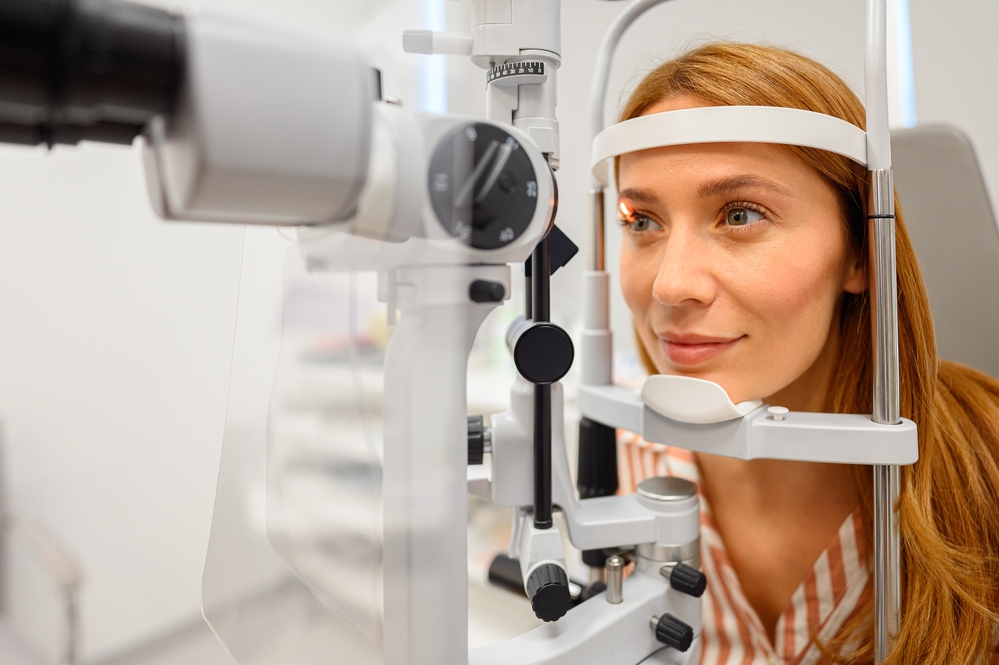
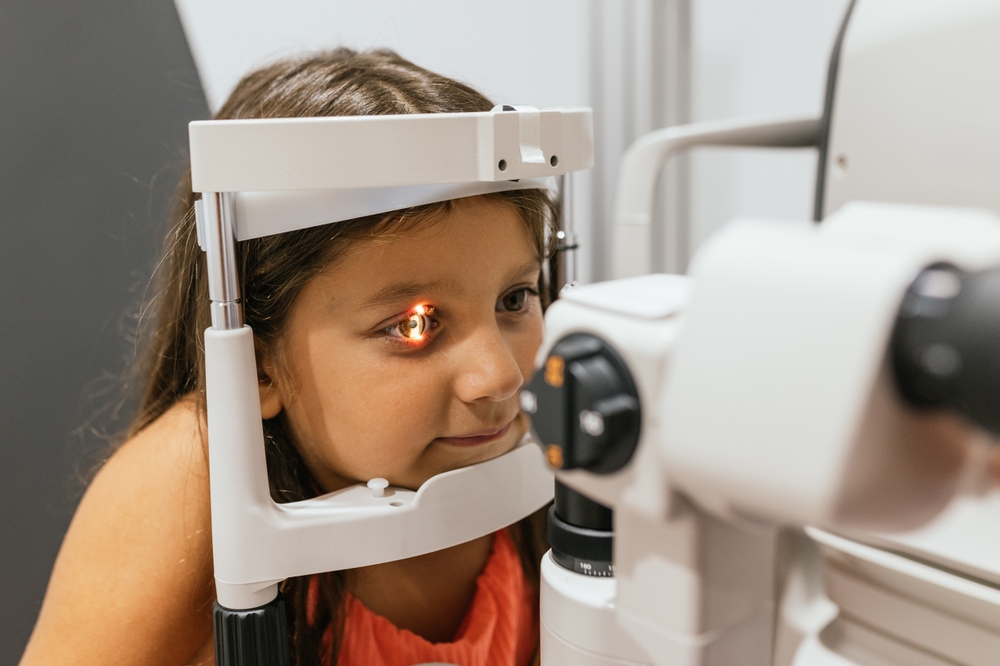
During a myopia management evaluation, our doctors perform a comprehensive eye exam and gather detailed measurements to assess your child’s vision and eye health. We’ll discuss factors such as family history, daily activities, and how quickly their prescription has changed over time.
From there, we’ll create a personalized treatment plan designed to support your child’s vision today while helping protect their long-term eye health.
Throughout treatment, we’ll continue monitoring your child’s eyes with regular follow-up visits to ensure their vision remains stable and make adjustments as needed.
Why Families Choose Maine Optometry for Myopia Management
We understand that parents want more than stronger glasses—they want to protect their child’s vision for the future.
Our experienced eye doctors stay current with the latest advances in myopia management, including Stellest lenses and other evidence-based treatment options. We take the time to educate families, answer questions, and develop personalized care plans that fit each child’s needs and lifestyle.
With multiple convenient locations and a commitment to comprehensive, patient-centered care, we’re here to help your child enjoy clear vision today while supporting healthier eyes for years to come.
Help Protect Your Child's Vision
If your child seems to need a stronger prescription every year, it may be time to look beyond traditional glasses.
Early intervention can make a meaningful difference in managing progressive myopia and supporting lifelong eye health. The sooner treatment begins, the greater the opportunity to slow myopia progression while your child’s eyes are still developing.
Schedule a comprehensive eye exam at Maine Optometry to learn whether Stellest lenses or another myopia management option is right for your child. Together, we’ll create a personalized plan to help them see clearly today and protect their vision for tomorrow.